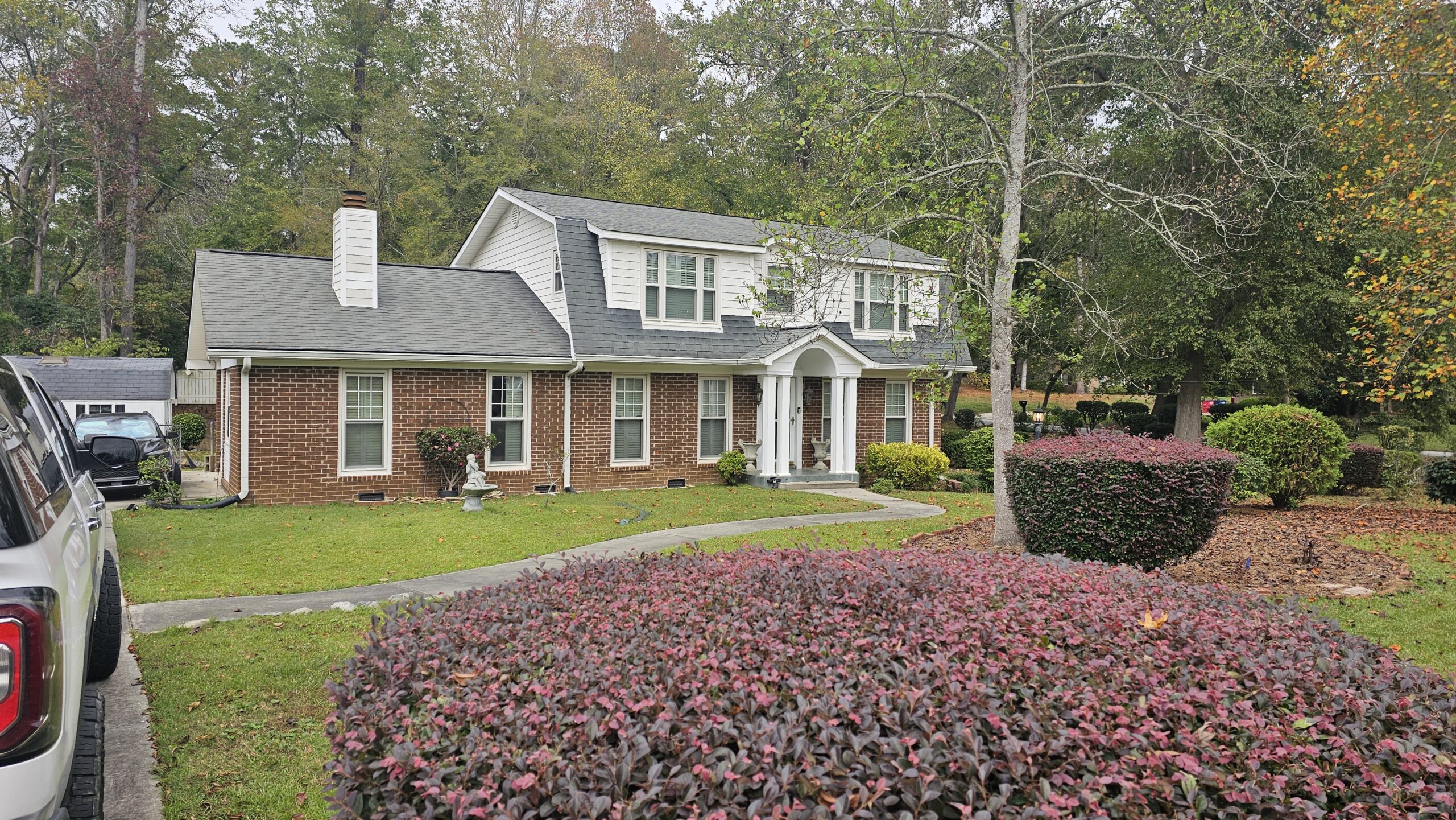

Gutter replacements become worth considering when repeated leaks, sagging sections, or poor drainage continue despite reasonable repairs. In Georgia, heavy rain can quickly expose weak joints and overflowing sections. A careful review helps you distinguish a localized repair from a system that no longer moves water reliably. This guide explains what to look for, what replacement involves, and what to clarify before hiring.
Request a gutter project consultation
What problems can indicate gutters need replacement?
One symptom by itself does not always mean the whole system has reached the end of its service life. A loose fastener, a blocked outlet, or a damaged elbow may be repairable. The pattern matters: repeated trouble across multiple sections, recurring leaks after repairs, and drainage that remains poor after clearing debris suggest a wider problem.
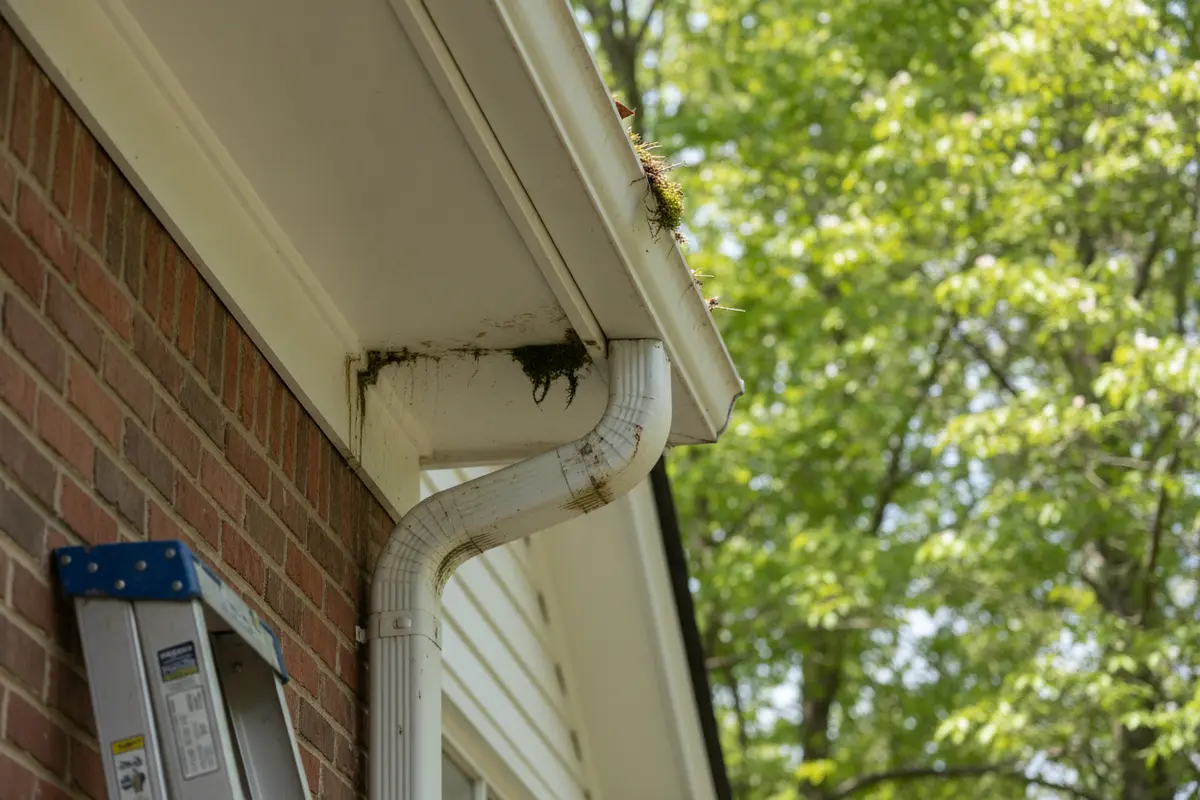
- Sagging or pulling away: A gutter that bows, tilts, or separates from the fascia may have failed hangers, damaged attachment points, or accumulated water and debris. If many sections sag or the fascia is deteriorated, replacing isolated hardware may not address the underlying condition.
- Recurring leaks at seams: Sealant and joint repairs can address a specific sound section. Several leaking seams, especially with corrosion, cracks, or distortion, can point to a system that is difficult to keep watertight.
- Separated joints or cracked runs: Gaps at corners, outlets, or between lengths can spill water close to walls. A connection that repeatedly opens may reflect movement, poor slope, or aging material, not just a one-time joint defect.
- Overflow in ordinary rain: First check for debris and downspout blockage. If clear gutters still overflow, sizing, pitch, outlet placement, or the roof area draining into that run may need assessment.
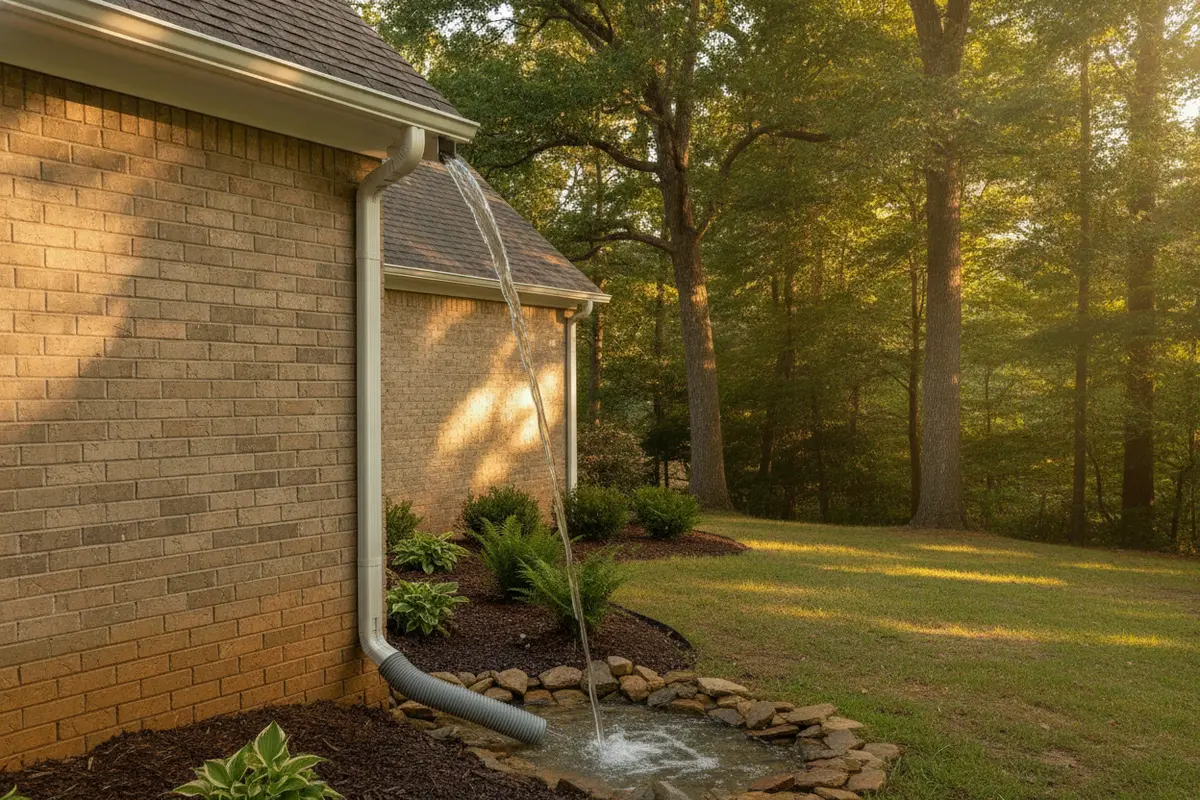
- Water collecting near the building: Short or poorly directed downspouts can discharge near the foundation. Look for splash marks, soil erosion, or water running down siding. These signs warrant attention, but do not alone prove gutters are the only cause.
Also inspect the fascia and soffit from a safe position. Staining, soft or damaged trim, peeling paint, or visible water paths may indicate that water has been escaping for some time. Do not climb onto a roof or ladder to investigate if conditions are wet, unstable, or beyond your experience.
How can you tell repair from replacement?
Start by locating the problem rather than assuming the whole gutter system must be replaced. A professional evaluation can check the full run, its supports, joints, corners, downspouts, and the areas where water discharges. The goal is to identify both the visible fault and the reason it developed.
| Condition observed | Repair may fit when | Replacement may merit discussion when |
|---|---|---|
| One leaking joint | The adjoining lengths are sound and secure, and the leak is isolated. | Many joints leak, sections are distorted, or prior repairs have not lasted. |
| One loose or sagging section | The gutter and fascia are sound and only a limited number of hangers need attention. | Multiple runs sag, attachment areas are damaged, or the system cannot hold its position. |
| Overflow | A blockage or disconnected downspout is the clear cause and clearing it restores flow. | Overflow persists when clear, suggesting slope, layout, capacity, or outlet issues. |
| Cracked or corroded material | The damage is small and confined, with usable surrounding material. | Cracking, corrosion, or deterioration is widespread across multiple sections. |
| Water near the house | A downspout extension or discharge adjustment can direct water farther away. | Several runs or outlets contribute, or the layout needs broader correction. |
This table is a starting point, not a diagnosis. A roofline may have more than one contributing issue. Ask the contractor to explain whether the scope addresses the cause, what will be retained, and why replacement of a section or the full system is appropriate.
What should you check before deciding?
Before scheduling work, make a short, practical record of the symptoms. Note the date and weather, the part of the house where you saw the problem, whether it happened during steady rain or a brief downpour, and what the water did afterward. This context can make an assessment more useful than a general report that “the gutters are bad.” For example, water spilling only at one corner may point to a localized outlet or slope concern, while overflow along several long runs suggests the contractor should review the system more broadly. These observations are clues, not a substitute for inspection.
Look at the whole drainage path
Water travels from the roof edge into the gutter, through outlets and downspouts, and away from the building. A sound gutter cannot solve every drainage problem if an outlet is blocked, a downspout is disconnected, or its discharge point is poorly placed. Observe the system during rain from indoors or from a safe ground-level location. Note where overflow occurs and where water ends up.
Check visible conditions after the rain, too. Are there deposits or debris at outlets? Does water appear to run behind the gutter? Are there gaps at corners? Record the location of each concern. Photos taken safely from the ground can help explain the issue during an evaluation.
Consider the roof edge and attachment surface
Gutters are attached to the building, so the condition of the fascia and roof edge matters. If trim is soft, split, or pulling away, new gutter sections may not have a sound attachment surface until that issue is addressed. Ask whether the proposal includes inspection of the attachment area and how any related work is handled. Do not assume a gutter replacement includes roof repairs, fascia work, or other exterior repairs unless the written scope says so.
Notice recurring maintenance concerns
Trees close to a roof can add leaves, twigs, and seed debris. Routine clearing may help maintain flow, but frequent blockages are distinct from cracks, failed joints, or loose sections. Keeping a simple record of when and where trouble appears can help a contractor separate maintenance from a need for new components.
What happens during a gutter replacement project?
The exact work depends on the building, existing system, and written scope. A useful assessment should consider the roofline and drainage layout, not just the visible length of a damaged run. All In One Exteriors provides exterior construction services for Georgia properties; discuss the particular conditions at your home before agreeing to work.
- Review the concern: Explain where water spills, when leaks occur, what repairs have been tried, and whether you have observed damage to nearby surfaces.
- Assess the system: The evaluation should consider gutter runs, joints, corners, outlets, hangers, slope, downspouts, and attachment surfaces. Discuss access and any areas that cannot be safely or readily inspected.
- Define the work: Clarify whether the recommended scope covers a section or the full system, what components are included, and whether existing material will be removed. Ask what is excluded.
- Plan water routing: Confirm how each downspout will carry water away from the building and whether the discharge location suits the site. A new gutter alone is not a complete drainage plan.
- Review the proposal: Get the scope in writing, including materials, work areas, preparation, cleanup, and how changes or concealed conditions will be discussed.
- Inspect the completed work: Review visible alignment, connections, outlets, and downspout routing with the contractor. Ask how to spot a concern and whom to contact about the completed project.
How should you compare repair and replacement proposals?
Ask each contractor to describe the same problem and the work proposed to address it. If one scope covers only a corner and another covers every run, the totals do not compare like-for-like. The goal is not automatically to choose the largest scope or the smallest one. It is to understand what each proposal includes, what condition it is responding to, and whether the planned drainage path is complete.
Request a marked-up description or simple written list of the affected elevations and components. Confirm whether the estimate includes each downspout, corner, outlet, and connection that appears in the proposed work. If a portion will remain, ask how new and existing sections will connect and whether the retained portion has visible defects. A contractor should be able to explain why a limited repair is expected to address the observed problem, or why replacing more of the system is being recommended.
Clarify the assumptions behind the proposal. Is it based on a visual review from the ground, or were the attachment points and discharge locations also checked? Is access restricted? Does the contractor expect any related fascia or roof-edge condition to affect installation? If conditions are concealed, ask how they will notify you and obtain agreement before expanding the work. This keeps an unexpected condition from becoming an unclear scope change.
Compare the proposed materials and components in practical terms. Ask whether the system is intended to match the existing roofline and how the installer will maintain a consistent pitch toward outlets. Ask where downspouts will terminate and what happens to runoff at those locations. Avoid relying on a product description alone: the way the system is laid out and attached matters too.
Which details should a written proposal explain?
Compare proposals by scope and drainage plan, not only by the amount of material listed. A clear proposal should make it possible to understand what work is planned and what is not. Ask for explanations in plain language before authorizing the project.
- Which elevations and gutter runs are included?
- Is the work for isolated sections or a full-system replacement, and why?
- What material and configuration are proposed? Are corners, outlets, end caps, hangers, and downspouts included?
- How will the installer address slope, secure attachment, and water discharge?
- Will old components be removed, and what cleanup is included?
- Are fascia, soffit, roof-edge, or other repairs excluded or separately scoped?
- How will the contractor communicate if hidden damage or a change in scope is found?
- What warranty information applies to the materials and installation? Request the terms in writing rather than assuming coverage.
For more about gutter installation options, review the service information and use it as a starting point for discussing your property. If a roof edge or other exterior component may also be involved, describe what you have observed so the proposed work can address the right area. If you suspect a roof leak, review the guidance on roof leak repair in Alpharetta; for a broader roof concern, see the company’s roofing repair information. Storm-related damage may call for a separate assessment, described on the storm damage repair page. Owners planning work on a low-slope building can also review commercial roofing services. These pages cover separate scopes; a gutter replacement proposal should state clearly which work is included in your project.
Why does water management matter in Georgia?
Rainfall can arrive in heavy bursts, so a blocked or poorly connected gutter may send water over the edge or down exterior walls. Directing runoff away from the building helps reduce avoidable wetting of siding, trim, and the ground immediately around the home. It is still important to identify the actual source of any moisture. Roof leaks, grading, plumbing, and other conditions can create water problems that gutters alone will not resolve.
North Carolina State University’s home-maintenance guidance advises keeping gutters and downspouts open and in good repair. Its recommendations support regular visual checks and prompt attention to visible problems; they do not establish a diagnosis for a particular property. See Preventative Home Maintenance for general home-maintenance guidance.
When should you request an evaluation?
Arrange a closer look when leaks recur, several sections have separated or sagged, water continues to overflow after debris is cleared, or runoff is landing close to the building. Also mention any visible deterioration at the fascia or nearby exterior surfaces. If water is entering the home, protect belongings from further exposure when safe and contact an appropriate professional promptly; gutter work may not be the only repair needed.
For homeowners in Alpharetta, Marietta, and surrounding Georgia communities, an evaluation can help determine whether a focused repair or a broader replacement scope is more suitable. All In One Exteriors handles roofing and exterior construction, including gutter projects. Ask for a written explanation of the recommended work and how it will manage water at your property.
Frequently asked questions
Do sagging gutters always need to be replaced?
No. A limited sag may result from a loose hanger or a localized attachment issue. If multiple sections sag, the material is distorted, or the fascia is damaged, broader work may be needed. An evaluation can clarify whether repair is practical.
Can gutters overflow even when they are clean?
Yes. Slope, outlet placement, downspout condition, and the amount of roof draining into a run can affect flow. If a clear system still overflows, ask a contractor to assess the layout rather than repeatedly clearing it without finding the cause.
Should every gutter be replaced at the same time?
Not necessarily. The condition and layout of the system determine whether a section or complete replacement is appropriate. Ask the contractor to identify which areas are failing and explain how a partial scope will connect to the retained components.
Will new gutters fix water in a basement or crawl space?
They may help manage roof runoff, but water intrusion can have other causes, including grading or foundation conditions. A gutter project should not be treated as a guaranteed solution to a basement or crawl-space moisture problem.
What should I do before requesting a quote?
Note where leaks or overflow occur, whether the system has been cleared, and what repairs have already been attempted. Share safe ground-level photos if useful, then ask for a written scope describing the system, drainage plan, exclusions, and applicable warranty terms.
Request a quote for your gutter project
Recurring leaks, widespread sagging, and persistent overflow deserve a careful look at the entire drainage path. A clear evaluation and written scope can help you decide whether repair or gutter replacement is the sensible next step for your Georgia property.