
Choosing among metal roof companies takes more than comparing a headline price. A useful proposal should identify the system being offered, explain how the installer will address roof-specific details, and show what work, coordination, and closeout are included. If you are comparing options in Alpharetta, Marietta, or nearby Georgia communities, use the questions below to make each conversation more concrete and each quote easier to evaluate.
Request a metal roof consultation
What should you establish before comparing metal roof companies?
Start by defining the project rather than selecting a product name. A homeowner replacing an aging roof has different priorities from a commercial property manager planning work on an occupied building. Write down the building type, approximate roof area if known, current roof condition, access constraints, desired appearance, and any signs of water entry. You do not need to diagnose the roof yourself. The point is to give each company the same starting information.
Clarify whether you are discussing a repair, a complete replacement, or a new installation. Then decide what you need the proposal to answer: system selection, removal and disposal, substrate preparation, flashing and transitions, ventilation or drainage coordination, schedule, site protection, and closeout records. A fair comparison examines scope and assumptions, not just the total.
- Is the building residential or commercial, and will people occupy it during work?
- What roof layers and conditions are known, and what needs an on-site assessment?
- Are there valleys, skylights, chimneys, wall intersections, vents, or drainage points?
- What appearance, building-use, or scheduling needs matter most?
Keep a short project brief and provide the same details to each estimator. If one company is pricing a repair and another is assuming full replacement, their totals cannot be compared as competing offers until the scope is aligned.
Which metal roofing system is being proposed?
Metal roofing is not one uniform product. Standing seam systems use raised seams to join panels. Exposed-fastener panels attach with fasteners visible on the roof surface. Other profiles and metal products can differ in appearance, detailing, and installation requirements. Ask the company to name the actual system and explain why it fits the roof slope, structure, building use, and design goals.
Request the manufacturer or product line when known, panel profile, metal type and thickness if specified, finish, attachment approach, and compatible accessories. Ask whether the proposal includes matching trim and components intended for the system. If an estimate says only “metal roof,” request enough detail to distinguish it from another proposal. Broad labels make it difficult to assess whether two quotes describe the same work.
For a home, consider roof geometry, curb appeal, penetrations, and how the proposed panels meet existing edges and walls. For a commercial building, consider the roof configuration, drainage, access, interior use, and the sequence for staging work. Do not assume that a product suited to one roof is automatically appropriate for another. Review the proposed metal roofing systems and ask the estimator to connect the system choice to your specific building.
Ask what information supports the recommendation. Is it based on observed roof conditions, the design, and the intended use? Which alternatives were considered, and why were they set aside? You are not asking the estimator to promise that one system is best in every situation. You are asking for a clear explanation that you can compare across proposals.
What installation details should you ask about?
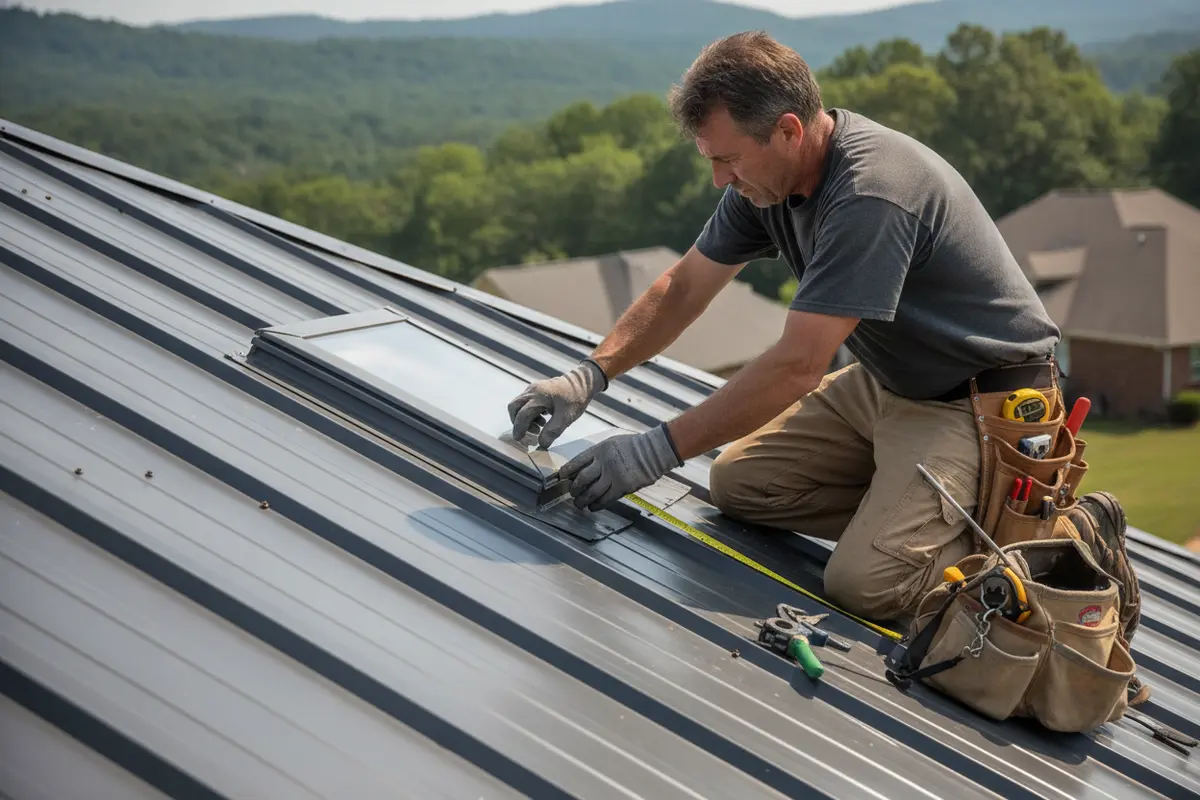
Many important roof details occur where materials meet: eaves, ridges, valleys, hips, wall intersections, chimneys, vents, and other penetrations. Ask which of these are present on your roof and how the proposal addresses each. A complete description should identify relevant flashing and trim work instead of leaving the details under a vague phrase such as “standard installation.”
Ask how the crew will assess the roof deck and what happens if damaged or unsuitable material is uncovered after removal. A clear proposal explains how concealed conditions will be documented, priced, and approved before additional work proceeds. Clarify whether any allowance is included, what it covers, and what would trigger a change. This helps prevent a surprise from turning into an unclear verbal discussion while the roof is open.
Ask how the system handles attachment, seams, and movement according to its specifications. The answer should relate to the selected system rather than treating every metal roof as identical. Also ask how underlayment, edges, flashing, and penetrations fit together. For a residential replacement, confirm tear-off, disposal, ventilation coordination, and protection for landscaping and nearby surfaces. For commercial work, discuss staging, access control, temporary weather planning, deliveries, and coordination with tenants or facility operations.
Use the National Roofing Contractors Association as an independent industry resource when framing questions about professional roofing practices. Its homepage is a starting point for roofing information; project-specific design and installation decisions still need to be addressed in the written proposal and applicable product documentation.
Ask who is responsible for coordinating related work. For example, roof-mounted equipment, skylights, gutters, or other exterior features can affect sequencing and details. The estimator should say what is included in the roofing scope and what requires a separate trade or agreement. If a detail is excluded, ask who will coordinate it and when the work must happen.
How can you compare proposals fairly?
Request a written proposal from each company that separates specified work from assumptions and exclusions. The total price is meaningful only when scope is reasonably comparable. If one quote includes removal of existing roofing and another assumes it remains, the offers are not equivalent. Likewise, a proposal that identifies flashing at roof features gives you more to evaluate than one that leaves those details unstated.
| Comparison point | What a clear proposal identifies | Question to ask |
|---|---|---|
| Roof system | Product or system, profile, material and finish where specified | Which system is included, and why does it fit this roof? |
| Preparation | Removal, disposal, deck assessment, and concealed-condition process | What is included, and how are unexpected repairs approved? |
| Roof details | Underlayment, flashing, trim, penetrations, edges, and transitions | How will this building’s intersections be handled? |
| Project plan | Schedule assumptions, access, protection, cleanup, and coordination | How will occupants and surrounding property be considered? |
| Closeout | Inspection process, product records, and applicable warranty documents | What records will I receive when the work is complete? |
Compare allowances and exclusions line by line. Ask whether the quote includes removal, disposal, replacement of damaged decking, flashing at existing features, permit-related responsibilities, and cleanup. Not every project needs the same work; the important point is to learn what applies to your building and what remains uncertain until removal or further inspection.
Then compare the assumptions behind each number. One company may have included a more detailed scope, while another has left items open. Ask each estimator to revise or clarify the proposal so that you can compare like with like. Avoid choosing based only on a low initial total if essential work is not described. Review the warranty details and questions to check alongside the proposed system, since terms depend on the applicable product and workmanship documents.
What should you check about the company and crew?
Ask who will supervise the project, who will perform the installation, and who is responsible for communicating changes. Confirm that the company can discuss the specific roof system it proposes and describe the installation sequence in plain language. Request documentation relevant to the work, including insurance information and applicable product documents. The written agreement should identify the contracting party, payment terms, and the process for approving changes.
References or examples can help you understand experience with similar projects. Ask for examples resembling yours in roof type and scale, then look at details rather than appearance alone. All In One Exteriors provides examples in its roofing project showcase. You can also review customer feedback as one input, while grounding your decision in the written proposal and direct answers.
For commercial work, ask how the contractor will maintain safe access and protect business operations. Clarify points of contact, work hours, material delivery, temporary weather planning, and how unexpected conditions will be reported. A project plan should reflect the building’s use rather than treating a commercial roof as simply a larger residential job. Information about commercial metal roofing projects can help you prepare relevant questions.
Which warranty and maintenance questions matter?
Warranty language can be easy to misread. Ask which manufacturer warranty, if any, applies to the selected materials, what workmanship coverage is offered, who provides each one, and what conditions or exclusions apply. Request copies of the actual terms and ask how registration, inspection, or maintenance requirements affect eligibility. Do not rely on a verbal description such as “lifetime” without understanding what that phrase means in the particular document.
Separate product coverage from workmanship coverage. Ask who handles a concern under each document and what records you should keep. A proposal should not imply that coverage is broader than the actual written terms. For maintenance, ask what routine observations are appropriate and which conditions should prompt professional review. Keep installation documents, product information, repair records, and inspection notes together. A metal roof may require less routine attention than some alternatives, but penetrations, drainage, later work, and physical damage can still warrant review.
How do residential and commercial comparisons differ?
Residential buyers often focus on appearance, roof geometry, disruption, material choices, and how the system fits the home’s existing details. Ask how proposed panels, trim, and color relate to the architecture and whether roof features change the scope. Confirm the work hours, site protection, cleanup expectations, and how the crew will protect landscaping and access to the home.
Commercial buyers should give additional weight to access, occupancy, drainage, staging, interior protection, and phasing. A property manager may need a schedule for notifying tenants and coordinating with maintenance staff. Ask how progress will be documented and how communication will work if weather or concealed conditions affect the plan. Clarify whether the building can remain in use and what temporary measures, if any, are part of the proposal.
In either setting, compare the roof system with the property’s actual requirements, not with generalized claims. A useful evaluation considers the roof design and condition before recommending a system. If repair may be appropriate instead of full replacement, ask the company to explain the distinction, the limits of repair, and what conditions would change the recommendation. All In One Exteriors serves Georgia property owners with residential and commercial roofing and exterior construction; its roofing services page provides a starting point for discussing project needs.
What warning signs deserve a follow-up question?
- The proposal does not identify the metal roofing system or leaves major details unspecified.
- The price appears without a written scope, exclusions, or a process for concealed damage.
- Warranty claims are broad, but the provider and written terms are not identified.
- The estimator dismisses questions about flashing, penetrations, drainage, or site protection.
- There is no clear point of contact or explanation of how changes are approved.
- The proposal does not distinguish included work from work assigned to another contractor.
One unclear item is not proof that a company cannot do good work. It is a reason to ask for a direct written answer before signing. If the company gives a verbal explanation, ask that the relevant detail be reflected in the scope or agreement. A dependable comparison gives you enough information to understand what you are buying and how decisions will be handled.
What should you prepare before requesting a quote?
Gather the property address, building type, known roof history, and a short description of the concern or project goal. Note active leaks, observed storm damage, access limits, or operational needs. Photos taken safely from the ground can help explain what you have noticed, but do not climb onto a roof to document it. If you have existing plans or prior roof records, make them available, while allowing the estimator to verify site conditions.
Use a consistent question list with every company. Ask for an on-site evaluation, a system recommendation with reasons, a written scope, an explanation of allowances and exclusions, and the applicable warranty documentation. Record answers as you go. Afterward, compare the proposals in a simple grid, mark unanswered items, and request clarification in writing. This small step prevents a polished sales conversation from obscuring an important scope difference.
Before choosing among metal roof companies, make sure you can explain which system is proposed, what work is included, and how the company will handle details and changes. A clear written comparison is a practical starting point for a confident roofing decision.
Call to discuss your metal roofing project
Frequently asked questions
Should I choose the lowest metal roof quote?
Not without checking whether the system, scope, preparation, details, exclusions, and closeout terms are comparable. Ask each company to explain differences and put clarifications in writing.
Is standing seam right for every property?
No single roofing system fits every building. Suitability depends on roof design, building requirements, system specifications, and installation details. Ask for a project-specific explanation.
What should a metal roof proposal include?
It should identify the proposed system, preparation and removal, work at roof details, assumptions, exclusions, change process, project coordination, cleanup, and applicable warranty information.
Can I compare residential and commercial proposals the same way?
Use the same basic checks for system and scope, but account for differences in occupancy, access, staging, drainage, and operational coordination on a commercial building.
What if the proposal leaves a detail open?
Ask what remains unknown, how it will be evaluated, and how added work will be priced and approved. Get the answer in writing before authorizing the work.