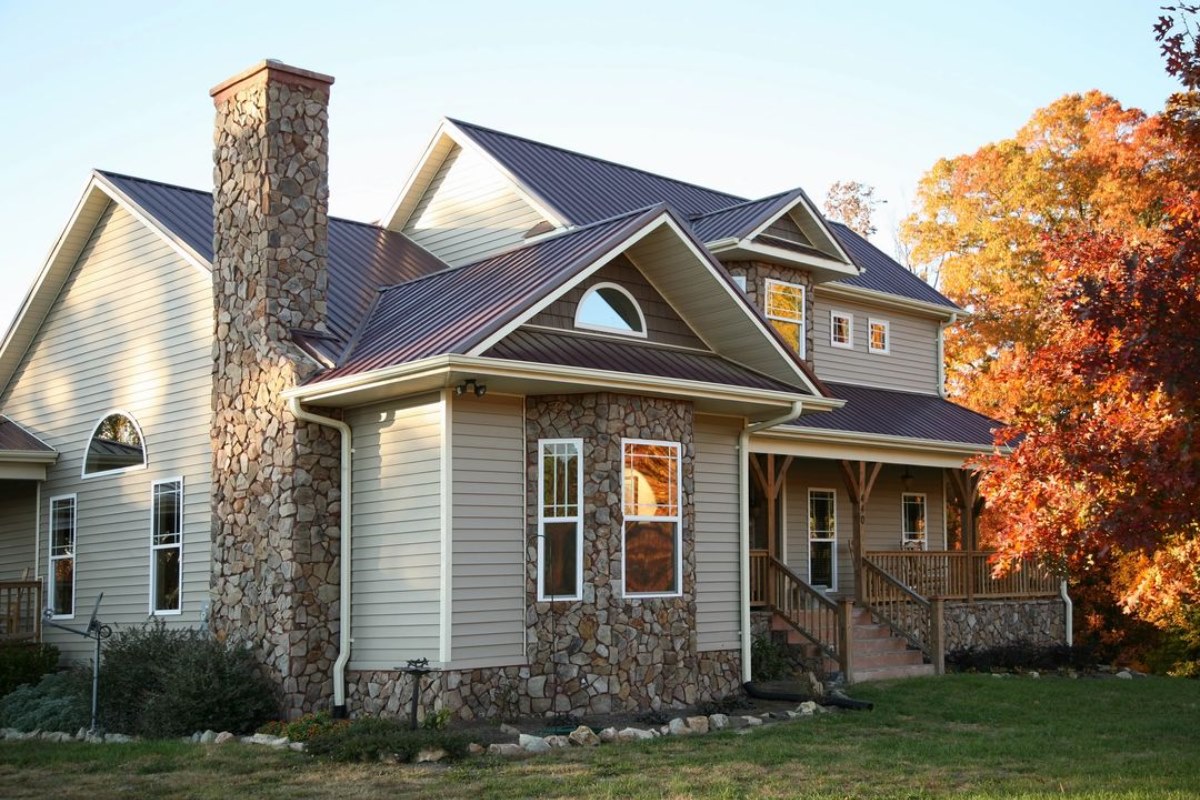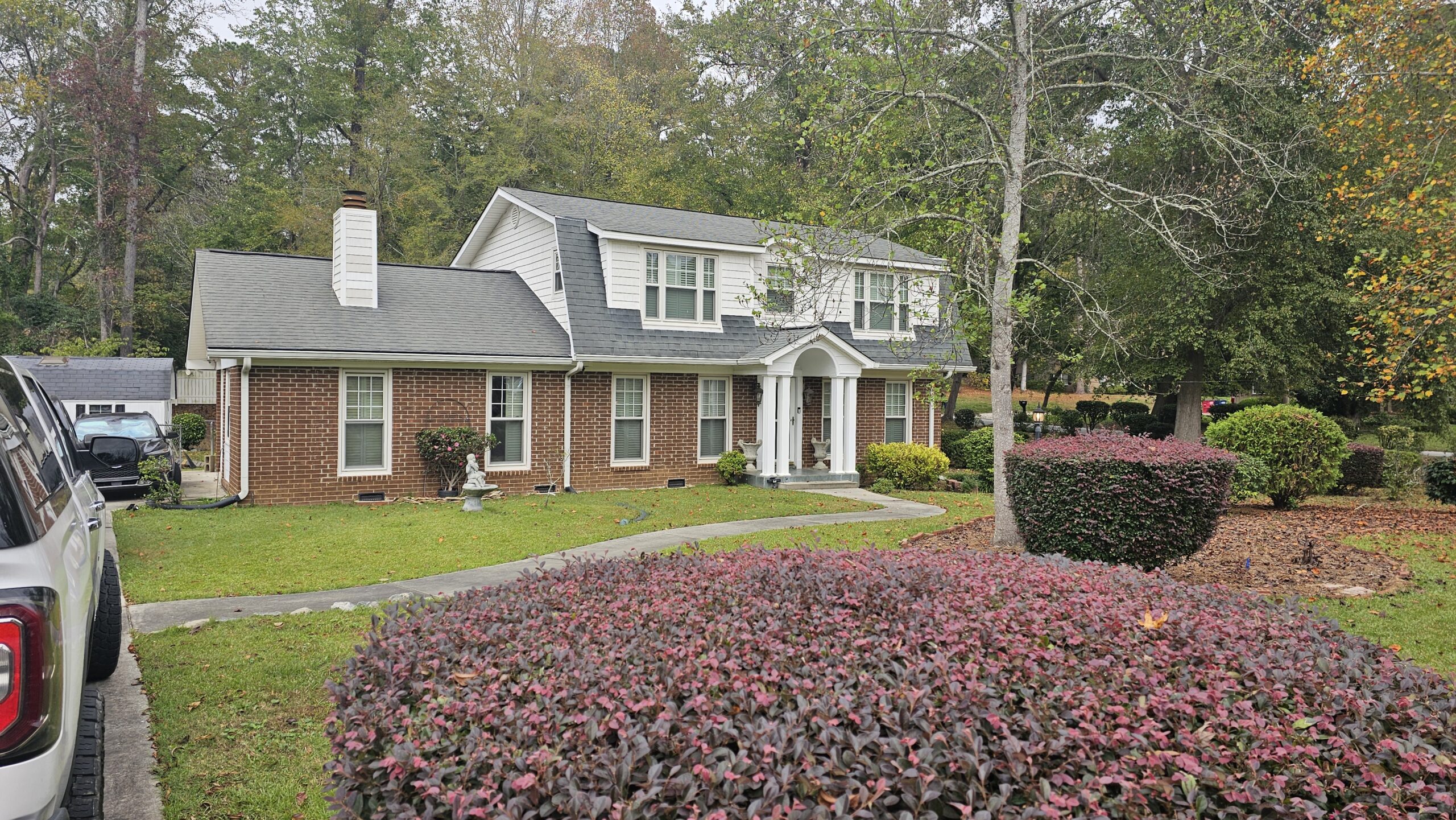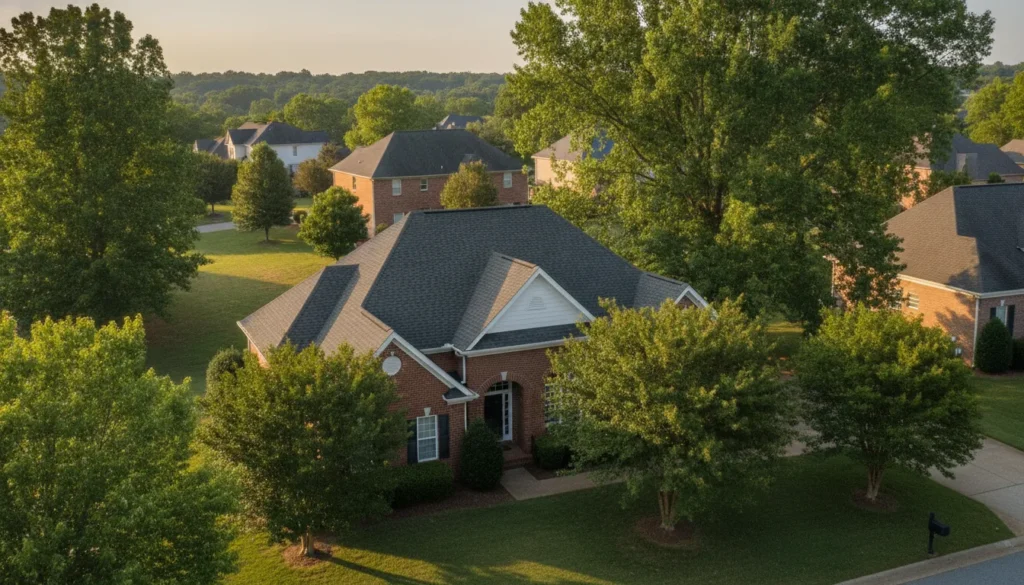

Georgia roofs work through more than ordinary seasonal wear. Heat, humidity, rain, wind, hail, tree cover, and shaded moisture affect the materials protecting your home. A roofing decision is about more than color or a visible leak.
For Georgia homeowners planning residential roofing, the right approach starts with a thorough inspection. It should consider the roof system, local weather exposure, material tradeoffs, repair or replacement needs, and the contractor’s installation practices.
This guide covers materials, roof components, storm response, and estimate comparisons.
What Makes Residential Roofing in Georgia Different?
A Georgia roof has to manage several types of exposure at once. Intense summer heat can place repeated stress on roofing materials, while high humidity and shaded areas can keep moisture around longer after a storm. Heavy rain, strong wind, hail, and other severe weather events can challenge the roof covering, flashing, drainage paths, and areas around penetrations.
Local conditions matter when evaluating residential roofing in Georgia. A recommendation for a dry climate may not address metro Atlanta moisture, heat, or storms. Start with the existing roof and the home’s water, ventilation, shade, and runoff conditions.
Heat, humidity, and shaded moisture
Roofing materials face direct sun and high temperatures for much of the year. Humidity matters where leaves or debris collect. Tree cover provides shade, but branches and debris can hold moisture against roofing components or obstruct drainage. Moss, organic buildup, and damp areas deserve evaluation rather than a purely cosmetic response.
Roof pitch also affects how quickly water moves away from the home. Low-slope areas, valleys, transitions, and roof sections beneath trees deserve careful attention because water and debris may not clear as easily. Gutters and downspouts must work with the roof’s drainage design, not simply be viewed as separate accessories.
Rain, wind, and hail exposure
Heavy rain can reveal problems around flashing, penetrations, valleys, and edges. Wind and hail may damage the visible roof covering, but the full impact is not always obvious from the ground. After a significant storm, a professional assessment can help distinguish routine wear from storm-related damage and identify areas that need temporary protection or repair.
A local inspection should also consider the home’s layout, nearby trees, roof geometry, attic ventilation, and drainage. These details help determine whether the priority is maintenance, a targeted repair, or a larger project. All In One Exteriors provides residential roofing services for homeowners who need that evaluation in the Alpharetta, Marietta, Johns Creek, Milton, and surrounding North Georgia areas.
Residential homes also require a different evaluation from commercial buildings. This discussion focuses on homes, where roof pitch, attic conditions, architectural appearance, and the relationship between the roof and the rest of the exterior all influence the recommendation.
How Do You Choose a Roofing Material for a Georgia Home?
There is no single roofing material that fits every Georgia home. The right choice depends on the home’s architectural style, roof shape, structural considerations, exposure to heat and storms, maintenance expectations, and installation requirements. A material that fits a steep, visible roof may not suit a low-slope section or a shaded area beneath trees. Community or HOA guidelines may also affect the decision.
Asphalt shingles suit many residential styles and roof geometries. Metal roofing offers a distinct design direction, but panel layout, flashing, ventilation, and fastening require careful planning. Tile can create a strong architectural statement, though the structure and roof design must be evaluated first. Specialty systems should be selected around manufacturer requirements and the home’s conditions.
| Material. | Design fit. | Planning focus. |
|---|---|---|
| Asphalt shingles. | Versatile colors and profiles. | Geometry, underlayment, flashing, ventilation, and installation. |
| Metal roofing. | Distinctive panels for many styles. | Panel layout, fasteners, penetrations, drainage, and flashing. |
| Tile. | Strong architectural character. | Structure, slope, underlayment, flashing, and careful installation. |
| Specialty systems. | Useful for specific designs. | Manufacturer specifications and compatible components. |
Georgia’s heat, humidity, heavy rain, wind, hail, tree cover, and shaded moisture make the supporting components just as important as the visible covering. Underlayment, flashing around penetrations, ventilation, roof edges, and drainage all need to work together. Poorly planned transitions or inadequate ventilation can create problems regardless of the material chosen.
Before selecting a system, have the roof evaluated for geometry, decking, ventilation, drainage, structural needs, and manufacturer requirements. Explore residential roofing systems or professional roof installation to compare the decision factors.
What Does a Complete Residential Roof System Include?
The shingles or other visible roof covering are only one part of a home’s protection. A complete roof system combines several layers and details that work together to manage rain, wind, heat, moisture, and everyday wear. In Georgia, where homes may experience heavy rain, humidity, storms, tree debris, and shaded moisture, each component deserves attention.
The layers beneath the covering
The roof deck provides the structural surface beneath the roof covering. Before installation, it should be evaluated for damage or areas that may not provide a sound base. Underlayment is installed over the deck to add a secondary layer of moisture protection. The specific product and installation method should match the roofing material and manufacturer requirements.
Flashing helps direct water away from vulnerable transitions, including walls, chimneys, skylights, and roof-to-wall intersections. Valleys, where two roof planes meet, also require careful water management. Penetrations such as plumbing vents need properly installed boots or flashing so water cannot work around the opening.
Edges, ventilation, and drainage
At the roof perimeter, eaves and rakes need correctly installed edge details. A drip edge helps guide water away from the deck and fascia instead of allowing it to collect along the roof edge. Gutters and downspouts then carry runoff away from the home when the drainage layout is properly designed and maintained.
Ventilation is another part of the system, not an optional finishing touch. The attic ventilation approach should work with the home’s design and the roof assembly. Good planning helps manage heat and moisture in the attic without treating one vent or product as a universal solution.
Installation details matter
Fasteners must be appropriate for the selected material and installed according to the applicable requirements. Alignment, overlaps, flashing placement, sealants, and transitions can affect how the finished roof handles weather. A careful installation also includes protecting the property during the work, handling permits when required, and completing a thorough cleanup.
Homeowners comparing professional roof installation should ask what the proposed scope includes beyond the visible covering. A comprehensive inspection, clear material specifications, quality control, permit handling, and site cleanup are all part of evaluating the finished system. The right recommendation depends on the home’s condition, roof design, selected material, and local project requirements.
When Does a Georgia Roof Need Repair Instead of Replacement?
A roof problem does not automatically mean the entire roof needs to be replaced. In Georgia, heat, humidity, heavy rain, wind, hail, tree cover, and shaded moisture can affect both the visible roofing material and the components beneath it. The right decision depends on the location and extent of the damage, the condition of the roof system, and whether the same problem keeps returning.
Use this framework as a starting point, then have a qualified professional inspect the roof before work begins.
-
Start with the immediate symptom
A small, isolated leak, a limited area of missing shingles, or localized flashing damage may be repairable when the surrounding roof remains sound. Do not assume the visible stain or damaged material marks the source. Water can travel beneath the covering before it appears inside the home. A thorough inspection helps identify the underlying issue and can prevent a small problem from escalating into mold, structural damage, or a larger repair. Review roof repair guidance for common situations that warrant an assessment.
-
Look beyond the damaged spot
Missing, cracked, curled, or lifted materials deserve attention, but the inspection should also include flashing, penetrations, underlayment, edges, drainage, and ventilation. A repair is less dependable when surrounding materials are brittle, widespread damage is present, or installation defects are affecting several parts of the system. Ventilation and moisture management matter because correcting only the surface symptom may leave the conditions that contributed to the problem unchanged.
-
Consider the roof’s overall condition and history
Age provides useful context, but it is not an automatic replacement rule. A well-maintained roof with a limited issue may still be a repair candidate, while a newer roof with extensive storm or installation damage may require more involved work. Pay attention to recurring leaks, repeated repair areas, widespread material deterioration, and repairs that no longer restore dependable protection. The inspection findings, not a calendar number alone, should guide the recommendation.
-
Check for deck or structural concerns
Soft areas, sagging, persistent moisture, damaged decking, or signs that water has reached structural components call for prompt evaluation. These conditions may extend below the visible covering and can change the scope from a simple surface repair to broader corrective work. Ask what was found beneath the roofing material, which components are affected, and whether temporary protection is needed while the decision is made.
-
Treat storm damage as a separate decision
After hail, high winds, fallen limbs, or severe rain, prioritize safety and document what you can without climbing onto the roof. A professional can assess damage, provide temporary protection when needed, and explain documentation for an insurance process without promising coverage or claim approval. A storm inspection may identify isolated damage that can be repaired, or broader issues that make replacement more appropriate.
-
Request an inspection before choosing a scope
When leaks recur, damage is widespread, structural concerns are visible, or you are uncertain which option fits, seek an inspection. Ask for photographs, a clear explanation of the findings, the recommended scope, ventilation and drainage concerns, and any work needed to protect the home during the project. If the existing roof is no longer adequate, Georgia roof replacement services may improve safety, appearance, insulation, and energy efficiency.
How Should Homeowners Handle Storm or Hail Damage?
After a severe storm, safety comes before the roof. Keep people away from downed power lines, unstable tree limbs, sagging ceilings, and areas where water or debris may have entered the home. If the property is unsafe, leave and contact the appropriate emergency services. Storm damage is different from routine maintenance because conditions can change quickly and a small opening may allow additional water into the roof system.
Document what you can see
Once it is safe, take photographs and notes from the ground or another secure location. Record visible missing or damaged shingles, dents, exposed underlayment, fallen limbs, interior staining, wet insulation, and water entry. Note the approximate date of the storm and preserve any related communications or repair receipts. Do not climb onto the roof or remove debris if doing so could expose you to a fall or unstable structure. A professional inspection can identify damage that is not visible from the ground.
Limit further water entry carefully
Use reasonable temporary measures only when they can be completed safely. Move furnishings away from active leaks and place containers under dripping water. If a qualified professional recommends temporary protection, such as a tarp, that protection can help limit exposure while a full assessment is arranged. Avoid making permanent repairs before the condition of the roof has been documented, and do not disturb damaged areas more than necessary.
Arrange an assessment and keep insurance language precise
A thorough evaluation should examine the roof covering, flashing, penetrations, drainage, attic or interior evidence, and other components that may have been affected. The findings help determine whether the appropriate response is localized repair, broader storm-damage work, or a replacement discussion. All In One Exteriors provides residential inspections, repairs, emergency response, and storm-damage services for homeowners in metro Atlanta and North Georgia. You can review its emergency roofing services when urgent leaks or storm conditions require professional attention.
Insurance policies and claim decisions vary by property, policy terms, damage evidence, and the insurer’s review. A contractor can help document observed conditions and explain the repair scope, but no inspection can promise coverage, approval, or a particular claim result. Keep the assessment factual, ask questions about recommended work, and compare the documented damage with the proposed scope before authorizing repairs.
What Happens During a Professional Roof Inspection?
A professional inspection is more than looking for a missing shingle from the driveway. The goal is to understand how the complete roof system is performing and whether a problem is isolated, recurring, or connected to a larger issue. In Georgia, heat, humidity, heavy rain, wind, hail, tree debris, and shaded moisture can affect different parts of a roof in different ways.
A qualified inspector should explain what was observed, show supporting photos when available, and separate urgent concerns from routine maintenance. The findings can then guide a focused repair, a larger project, or continued monitoring. A thorough inspection can also identify underlying issues before they contribute to mold, structural damage, or more extensive repairs.
- Start with the homeowner’s concerns. The inspection should begin with questions about leaks, stains, drafts, missing materials, storm exposure, past repairs, and changes you have noticed inside the home. Share the location of any water marks, even if they appear far from the roof problem. Water can travel along framing before it becomes visible.
- Review the roof exterior. From the roof surface and surrounding property, the inspector looks for damaged, lifted, worn, or missing materials, along with debris, exposed components, drainage concerns, and signs of wind or hail impact. Roof edges, valleys, and areas near trees deserve careful attention because they can collect water or debris.
- Examine flashing and penetrations. Flashing around chimneys, walls, skylights, vents, and other transitions helps direct water away from vulnerable joints. The inspector should also check roof penetrations, seals, and the condition of details where separate surfaces meet. These areas may need attention even when the main field of the roof appears intact.
- Check the attic and ventilation clues. When accessible, the attic can reveal moisture, staining, damp insulation, daylight where it should not be present, or ventilation concerns. These observations help connect interior symptoms to exterior conditions. The inspection should consider ventilation and moisture management as part of the roof system, not as unrelated add-ons.
- Document the findings. Ask for a written summary that identifies observed conditions, photographs or other supporting documentation, and recommended next steps. If storm damage is suspected, professional documentation can help you understand what was observed during the insurance process, but no inspection can guarantee claim coverage or approval.
- Discuss repair versus replacement. Ask which findings require prompt attention, which can be monitored, and why a recommended repair is appropriate. If the existing roof is no longer adequate, replacement may address broader safety, appearance, insulation, or energy-efficiency concerns. If the problem is localized, roof repair guidance can help you understand the next step without assuming that a full replacement is necessary.
Before the inspector leaves, ask what was not accessible, whether temporary protection is needed, and what information should be included in an estimate. Clear answers make it easier to compare recommendations and choose work based on the roof’s actual condition rather than guesswork.
How Can You Compare Georgia Roofing Estimates?
When reviewing estimates, the lowest total is only one part of the decision. A useful estimate lets you compare work, materials, and responsibilities. If one proposal is detailed and another is a single line, the totals may not represent equivalent projects.
Start with the project scope
Confirm whether the estimate covers repair, partial replacement, or a complete roof replacement. For a replacement, look for clear notes about tear-off. Does the contractor plan to remove one existing layer, multiple layers, or only damaged areas? The proposal should also explain how the deck will be inspected and how unexpected deterioration will be handled. Ask whether disposal, haul-away, site protection, and final cleanup are included.
Materials deserve the same level of detail. The estimate should identify the proposed roof covering and describe the underlayment, flashing, ventilation, drip edges, valleys, penetrations, and other components that make up the roof system. A covering alone does not describe the finished roof. Material selection may depend on the home’s roof geometry, appearance, structural considerations, maintenance needs, and manufacturer installation requirements. Review Georgia roof replacement services for more context on evaluating a replacement project.
Check responsibilities and protections
Ask who will handle permits and inspections, and whether the estimate accounts for applicable code requirements. A professional proposal should also explain the expected workmanship, project supervision, cleanup process, and how concerns will be addressed after installation. Be cautious with broad warranty language. Look for the actual terms, exclusions, registration responsibilities, and the difference between a manufacturer’s product coverage and a contractor’s workmanship commitment. Do not rely on a verbal promise that is absent from the written agreement.
Plan for changes and communication
Every estimate should explain how change orders work. Ask what happens if hidden deck damage, ventilation issues, or other conditions are discovered after work begins. Changes should be documented, explained, and approved before additional work proceeds whenever practical. Also confirm the communication process: who is your point of contact, how scheduling updates are shared, and how urgent questions will be handled.
For storm-related work, request thorough damage documentation and keep insurance decisions separate from contractor recommendations. A contractor can help document observed conditions and explain the proposed scope, but coverage and claim approval depend on the policy and insurer. The best estimate is the one you can understand, compare, and verify before signing.
How Long Can Residential Roofing Last in Georgia?
There is no single service-life answer for every Georgia home. Condition depends on material, installation, roof design, ventilation, drainage, shade, and storm exposure.
Georgia’s climate makes those details important. Heat, humidity, storms, tree debris, and shaded slopes can affect a roof over time. These conditions do not automatically require replacement, but they make professional assessment valuable.
What affects a roof’s service life?
- Material selection: Asphalt shingles, metal roofing, tile, and specialty systems have different maintenance needs, appearance considerations, structural requirements, and installation details. The best fit depends on the home, roof geometry, homeowner priorities, and manufacturer requirements.
- Installation quality: The visible covering is only one part of a roof. Underlayment, flashing, ventilation, edges, penetrations, and drainage all contribute to how well the system manages water and weather. Poorly completed details can create problems even when the covering looks relatively new.
- Moisture and ventilation: Persistent moisture, blocked drainage, inadequate airflow, or debris buildup can accelerate deterioration and contribute to issues beneath the surface. Keeping roof valleys, gutters, and drainage paths clear supports better performance.
- Storm and exposure history: Wind, hail, fallen branches, and repeated heavy rain can cause damage that is not obvious from the ground. A thorough inspection can identify missing or damaged components before a small issue escalates into mold, structural damage, or a larger repair.
- Maintenance and timely action: Addressing leaks, damaged flashing, lifted materials, or drainage concerns promptly can help protect the rest of the system. Maintenance cannot reverse widespread deterioration, but delaying an evaluation can make the eventual scope more complicated.
Reviewing the full residential roofing systems approach is more useful than focusing on a material label. An evaluation should consider roof condition, ventilation, storm history, installation details, and long-term needs. The recommendation may be repair, maintenance, or replacement.
How Do Local Roofing Services Support Alpharetta and North Georgia Homes?
Roofing decisions are easier to manage when the contractor understands the conditions surrounding your home. In Alpharetta, Marietta, Johns Creek, Milton, and nearby North Georgia communities, a roof may face intense summer heat, humidity, heavy rain, wind, hail, tree debris, and shaded areas that hold moisture. Those conditions do not automatically point to one best roofing material or universal repair plan. They do make a detailed inspection and locally informed planning important.
A local roofing service can evaluate the roof as part of the property, not as an isolated surface. The assessment may consider roof shape, drainage, attic ventilation, flashing, penetrations, tree cover, visible wear, and the way water moves around the home. It should also account for neighborhood appearance, HOA requirements, and the homeowner’s priorities for safety, maintenance, energy efficiency, and long-term property protection. Recommendations should follow the inspection findings and the condition of the existing system.
Why responsiveness and accountability matter
Roofing problems can change with the weather. A small leak may require prompt attention, while storm damage may call for temporary protection and professional documentation before permanent work is planned. A responsive contractor should explain what was observed, identify urgent risks, and distinguish emergency action from routine maintenance or a full replacement. That clarity helps homeowners make decisions without treating every issue as an emergency or allowing a developing problem to go unaddressed.
Project oversight is equally important. Homeowners should know who is responsible for reviewing the scope, coordinating materials, handling permits when required, checking installation quality, and completing cleanup. Direct accountability can reduce confusion when a project involves multiple roof components or when an unexpected condition is found after work begins. It also gives the homeowner a clear point of contact for questions about scheduling, workmanship, and next steps.
Choosing a service partner for a local home
All In One Exteriors is a veteran-owned, family-operated exterior construction company founded in 2001 and serving metro Atlanta and North Georgia from Alpharetta, according to the customer-provided company profile. Its residential roofing services include installation, replacement, repairs, emergency response, storm-damage work, inspections, and material selection. The company describes an installation approach that includes comprehensive inspections, professional permit handling, quality control, and cleanup. Homeowners can review its roofing services and learn more about professional roof installation.
Before choosing a contractor, ask how the company will inspect the roof, explain the scope, address ventilation and drainage, protect the property, and document completed work. A useful local relationship is built through clear communication, careful installation, and accountability through final cleanup.
Frequently Asked Questions
Which roofing material is best for a Georgia home?
No single material fits every Georgia home. Asphalt shingles, metal, tile, and specialty systems differ in appearance, geometry, maintenance, structure, ventilation, and installation. An inspection connects those tradeoffs with the home’s condition. The goal is a compatible roof system, not a product chosen by appearance alone.
How do I know whether my roof needs repair or replacement?
Start with an inspection. A repair may fit limited damage when the underlying system remains adequate. Replacement becomes more reasonable when problems are widespread or repeated repairs do not restore protection. Check the covering, flashing, penetrations, ventilation, edges, drainage, and structural concerns. Prompt repair can help prevent escalation. Replacement may improve safety, appearance, insulation, and energy efficiency when the roof is no longer adequate.
What should I do after hail, wind, or storm damage?
Put safety first, limit access to areas with active leaks or visible structural damage, and document conditions from a safe location with photographs and notes. A professional can assess the roof, identify less obvious damage, and provide temporary protection such as emergency repairs or tarping when needed. Keep records of the inspection and repair work for your files. If you contact your insurer, treat coverage and claim approval as decisions made under your policy, not as guaranteed outcomes. A roofing contractor can explain observed damage and help organize documentation without promising that an insurer will pay for the work.
What happens during a professional roof inspection?
A professional inspection evaluates more than shingles visible from the ground. It should consider the roof covering, accessible underlayment, flashing, penetrations, ventilation, edges, drainage, signs of leaks or storm damage, and conditions that may contribute to moisture or debris. Findings should be explained in plain language, including whether the next step is maintenance, repair, temporary protection, or replacement. Ask for photos, a clear scope, material details, permit responsibilities, cleanup expectations, and assessment limitations.
How are residential roofing costs determined in Georgia?
A reliable roof cost cannot be determined from a statewide average or a single square-foot figure. Scope depends on roof size, layout, pitch, material, condition, accessibility, flashing, ventilation, decking, removal, permits, cleanup, and storm or water damage. Request an itemized evaluation that separates necessary work from optional improvements. Compare scope, materials, workmanship, protection, permits, cleanup, and warranty language instead of choosing a low number without context.
Ready to Plan Your Residential Roofing Project?
A sound roofing decision starts with understanding your home’s current condition, the demands of Georgia weather, and the work your property actually needs. An evaluation can help clarify whether repair, replacement, or another next step makes sense for your roof. It also gives you an opportunity to discuss materials, installation details, ventilation, drainage, and other considerations that affect the complete roofing system.
To request a residential roofing evaluation or quote, contact All In One Exteriors through the roofing installation page. You can also call (770) 364-1529 to speak with the team about your project and next steps. Share what you have noticed, and the team can help determine the appropriate way to evaluate your home.